Last updated · Published by Luxemetry · Editorial methodology
Retention is not residual — read the ladder with both eyes
Two numbers describe what an SUV is worth in three years. Market retention is what the used market is modeled to pay. The bank residual is what a leasing bank guarantees on a 36-month, 10,000-mile contract. Retention is the forecast; the residual is the bet the bank is willing to underwrite, and it is set deliberately below the forecast.
This guide ranks all eleven luxury SUVs and crossovers on this site by modeled three-year retention. All figures come from the site's own depreciation profiles against MSRP — the same rows the calculators run on. Data snapshot: August 2026. They are estimates, not appraisals.
The ladder is worth reading twice: once in percentages, which flatter the cheap trucks, and once in dollars, which punish the expensive ones.
Ferrari Purosangue — 87%. MSRP $430,000. Modeled three-year loss $55,900. Five-year retention 78%. The site's retention king — though it transacts 20% over sticker, which is its own tax; see its guide.
Mercedes-AMG G63 — 85%. MSRP $195,500. Modeled three-year loss $29,325. Five-year retention 75%. The attainable outlier that bends every comparison it enters.
Lamborghini Urus — 69%. MSRP $259,000. Three-year loss $80,290. Five-year retention 58%.
Rolls-Royce Cullinan — 66%. MSRP $428,000. Three-year loss $145,520. Five-year retention 55%.
Porsche Macan — 65%. MSRP $65,000. Three-year loss $22,750 — the smallest dollar loss on the ladder. Five-year retention 54%.
Porsche Cayenne — 64%. MSRP $84,000. Three-year loss $30,240. Five-year retention 53%.
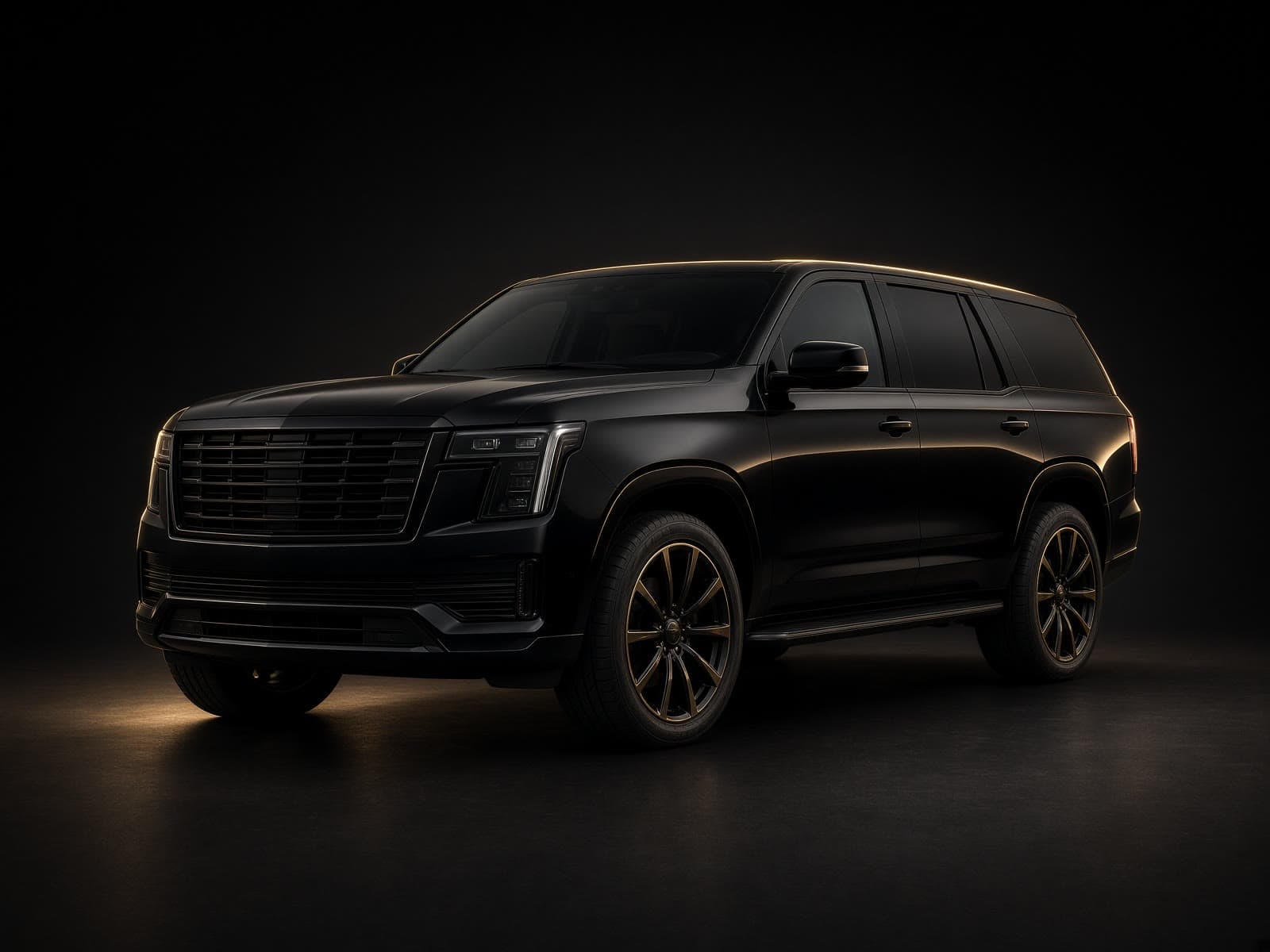
Cadillac Escalade-V — 60%. MSRP $158,000. Three-year loss $63,200. Five-year retention 49%.
Range Rover Autobiography — 60%. MSRP $155,000. Three-year loss $62,000. Five-year retention 48%.
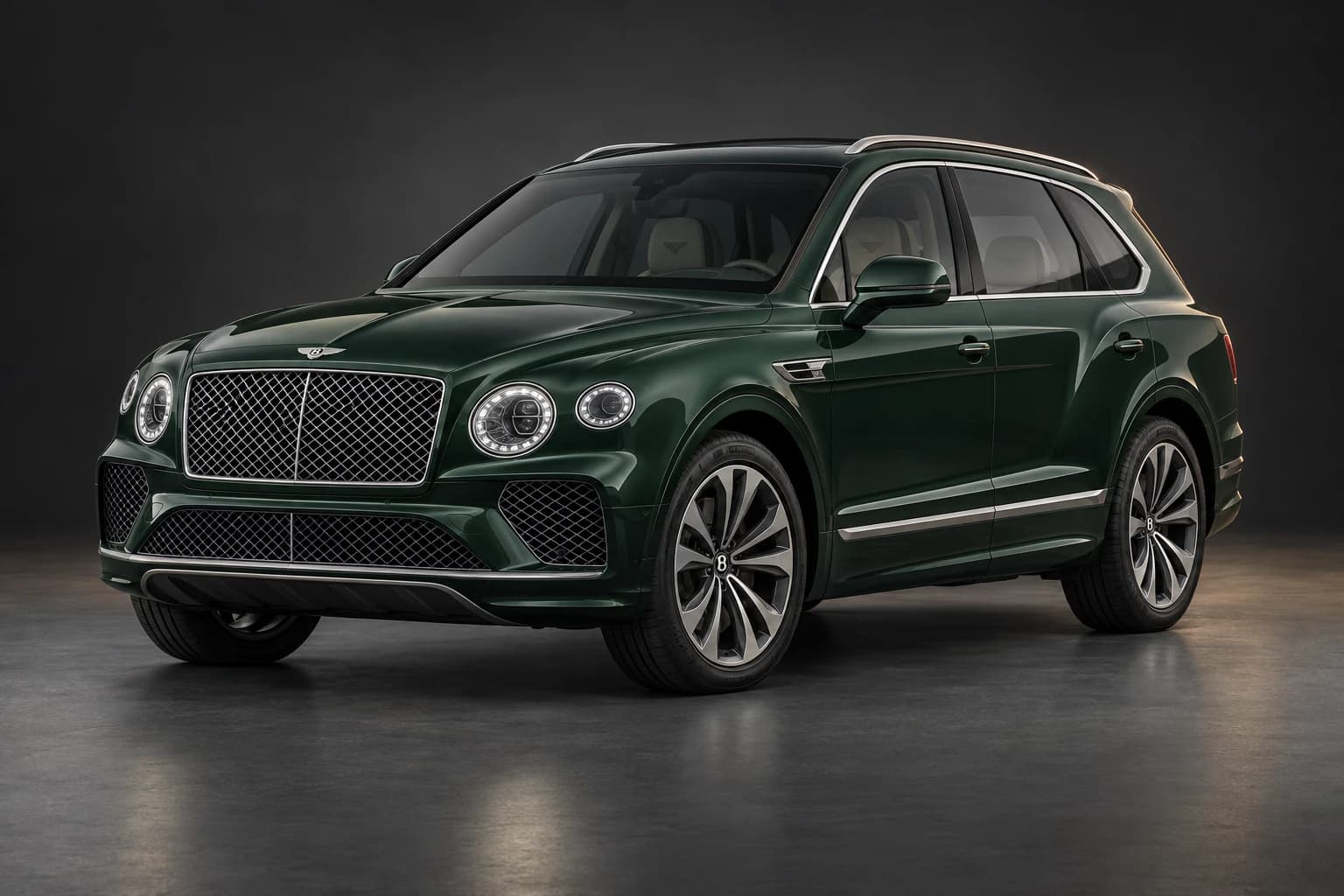
Bentley Bentayga — 58%. MSRP $219,000. Three-year loss $91,980. Five-year retention 47%.
Maserati Grecale — 50%. MSRP $82,000. Three-year loss $41,000. Five-year retention 39% — half the sticker gone in three years on the segment's softest badge equity.
BMW XM — 47%. MSRP $162,000. Three-year loss $85,860. Five-year retention 36% — EV-grade depreciation without the battery excuse.
Percentages flatter, dollars bill
The Cullinan holds a respectable 66% — fourth place on the ladder — and still sheds $145,520 in three years, because 34% of $428,000 is a house down payment. That single loss exceeds the entire sticker of two Macans. Percentage retention is how enthusiasts argue; dollar loss is what the bank finances and the owner funds.
The Macan runs the same logic in reverse. Its 65% retention is mid-ladder, but the dollar loss of $22,750 is the smallest of the eleven — you can depreciate a Macan for three years for less than one year of a Cullinan's insurance and maintenance.
The top of the ladder needs both readings at once. The Purosangue's 87% is the site's best percentage, but its $55,900 three-year loss is nearly double the G63's $29,325 — and it transacts 20% over sticker, a premium the retention never sees. The G63 remains the chart's honest freak: 85% retention, the smallest dollar loss of any truck over $150,000, and an 8% over-sticker adjustment because the market knows.
Every figure here is a modeled estimate from this site's depreciation profiles. Real-world results move with spec, mileage, color, and the used market's mood. Nothing on this page is an appraisal.
What the ladder does to a lease payment
A lease rents the depreciation, so the ladder is the lease market in disguise. The G63's 72% bank residual is why a $195,500 truck leases for about $2,513 — close to a $158,000 Escalade-V at $2,371. The Bentayga's 51% residual is why $219,000 of Bentley leases at $3,045 while $259,000 of structurally related Urus leases at $3,476 on a 60%.
The XM is the ladder's cautionary tale: a 44% bank residual, a 12% showroom discount, and the largest BMW lease payment on this site at about $2,249. When the retention forecast collapses, the discount and the payment both confess it.
Rule of thumb from the ladder: above roughly 65% retention, buying starts beating leasing, because the equity you keep outruns what the lease saved. Below 55%, the lease is depreciation insurance worth paying for. Between them, run both in the calculators and let the quote decide.
Five years out, the ladder compresses
By year five the gaps narrow: Purosangue at 78%, G63 at 75%, Urus at 58%, the German-adjacent pack clustered between 47% and 54%, the Grecale at 39% and the XM at 36% holding the floor. Depreciation curves are steepest early — which is exactly the stretch a 36-month lease carves out and hands to the bank.
For a keeper, the five-year numbers are the honest ones. A Range Rover Autobiography at 48% has returned $80,600 to the market; a Bentayga at 47% has returned $116,070. The purchase only redeems itself in the years after the curve flattens — which is why flipping luxury SUVs every three years is the most expensive way to own them, leased or not.
The full year-by-year curves for every row live in the depreciation calculator, and each SUV's own lease math is linked below.
Three desks: brochure, live ladder, methodology
I keep three sheets on this desk. MBUSA G-Class, Ferrari Purosangue, and Porsche Macan pages name the machines. Retention and residual on this page are not printed there as this site's ladder.
The live SUV rows and https://luxemetry.com/depreciation-calculator carry the year-by-year fractions. Residual is the bank's lease leftover; retention is the market's — read both.
How those curves are built is on https://luxemetry.com/methodology .
Frequently asked questions
- Where do the luxury-SUV retention figures on this page come from?
- Luxemetry modeled retention on the live SUV rows and the depreciation calculator. OEM pages identify the models; they are not this site's ladder.
- Which luxury SUV depreciates the least?
- By percentage, the Ferrari Purosangue: 87% modeled three-year retention — though it transacts about 20% over sticker, which the retention never recovers. The attainable answer is the Mercedes-AMG G63: 85% retention and the smallest dollar loss, $29,325, of any truck over $150,000 here.
- Which luxury SUV depreciates the most?
- The BMW XM, at 47% three-year retention — an $85,860 modeled loss on $162,000. In dollars, the Rolls-Royce Cullinan's $145,520 three-year loss is the ladder's largest bill despite decent 66% retention.
- How much does a Range Rover depreciate in three years?
- This site models the Range Rover Autobiography at 60% three-year retention — a $62,000 loss on the $155,000 row — nearly identical to the Escalade-V's 60% and $63,200. By year five, retention is modeled at 48%.
- Should I lease or buy a luxury SUV?
- Follow the retention: above roughly 65% (G63, Urus), buying tends to win because kept equity beats lease savings; below 55% (Bentayga, XM), the lease is depreciation insurance. In between, run both routes in the lease-vs-buy calculator with your actual quote.
- Are these numbers guarantees?
- No. They are modeled estimates from this site's depreciation profiles against MSRP, snapshotted August 2026. Spec, mileage, condition, region, and market cycles move real values in both directions.
Sources & verification
These references support the published rules, service intervals, and rate examples used in this guide. Luxemetry's calculator outputs remain modeled estimates rather than quotes.
- Data Sources & Calculation Methodology
Luxemetry · Checked September 4, 2026
- G-Class SUV — official model class page
Mercedes-Benz USA · Checked September 4, 2026
- Ferrari Purosangue — official US page
Ferrari · Checked September 4, 2026
- Macan — official US model page
Porsche · Checked September 4, 2026
- Depreciation calculator
Luxemetry · Checked September 4, 2026
Run the numbers
Put what you have just read into the calculators.
More guides

Leasing · 8 min
How Much to Lease a Range Rover in 2026
Leasing · 8 min
How Much to Lease an Escalade-V in 2026
Leasing · 8 min
How Much to Lease a Bentley Bentayga in 2026

Leasing · 7 min
How Much to Lease a Ferrari Purosangue in 2026

Depreciation · 8 min
Why Lamborghinis Depreciate Less Than You Think
Depreciation · 7 min